Arena is a different game under the same engine
Battlestate built Arena on the same Unity engine as main Tarkov, then pulled raids, inventory and loot carry-out off the match. What's left is a run of short team fights on a few small maps with pre-assembled kits. The first shot settles more than hours of farming, and a two or three player squad on comms matters more than a pre-match economy. SYNESIS RUBY was shaped around that style of play, with no radar, no loot filter, no weapon tweaks and no stat watchers to clog the overlay.
What BattlEye does to a Battlestate account
Arena servers run BattlEye, the same anti-cheat used in main Tarkov. It reads processes and memory from the kernel, and bans roll out in waves after patches and report batches. Arena runs on its own Battlestate launcher, and a ban on the account closes the door on Arena and main Tarkov in one hit. The card shows status and last check date, and we try not to push a long key right before a known wave, since used days aren't refundable.
Four moments where the build settles the fight
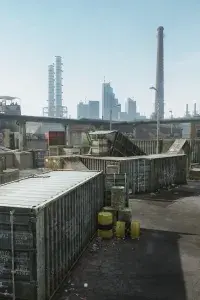
Fort rooftop crossfire. Sloped tile and an exposed catwalk connect the towers, and both squads push for the roof in the first thirty seconds. ESP skeletons read targets through the slope's edge before they clear it, and Aimed-At Warning fires the moment someone from the opposite tower starts tracking you. A dip behind the chimney stack and a counter-peek take maybe a second.
Sawmill log yard. Stacked timber hides torsos, mud slows every rotation, old tarps hang off the frames and the lumber-mill machinery blocks sight at random. Full-box ESP cuts through that clutter, and the health readout tells you whether the figure behind the saw blade is already low. Silent fires a cleaner first bullet than open Memory on these mid distances, so the enemy next to him can't always triangulate which log pile the shot came from.
Air Pit upper catwalk. Overhead grating and sight lines straight down into the pit make this a top-down shooter for one angle. The Smooth circle on a narrow FOV holds the crosshair on a runner weaving between the lower crates, and the visible-only filter clears the boxes stacked behind the grating. A teammate filter stops the aim pulling toward a squadmate crossing below.
Last Hero round, two or three names left. Last Hero turns the end of the round into a free-for-all deathmatch, and the lobby counter tells you exactly who's still standing. With two or three names on screen, the visible and hidden enemy colors split who's already peeking from who's holding a corner. Priority target gets its own shade, so once the second-to-last player is picked you already know where the final one will turn.
Picking a key that matches your style
A single day of play is the fastest way to feel whether Silent and Memory, together or on their own, suit how you shoot. Longer tariffs make sense after that first session, once bone selection and smoothing settle under your mouse. A clan that streams tournaments leans on Streamproof; a solo pub-stomper gets more mileage from Aimed-At Warning and the priority target color.
Why this shelf looks shorter than the Tarkov one
Main Tarkov runs long: thirty to forty minute raids with an inventory that builds across weeks and loot that drives every match. Arena flips that — matches of five to eight minutes, no inventory between them, presets instead of farming, first shot carrying the round. That's why the Tarkov hub keeps a radar, loot filters, stat watchers and weapon tweaks on its shelf, and this hub keeps only what matters inside a short PvP burst. Synesis has a separate build for main Tarkov in the neighboring section; the loader is shared, but each key and status stands alone.