Why time in ARK costs more than money
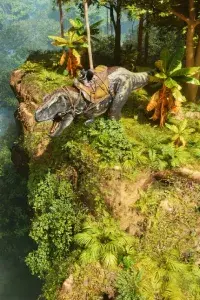
A high-level Rex takes hours to tranq. Dart it unconscious, keep narcotics and meat flowing on a schedule, hold the camp until the bar fills, then watch the stats roll in. One wild allosaurus hit mid-tame and eight hours of work are gone with the stack of narcoberries. Cheats in ARK give something the base game refuses: early warning on who else is in the biome, which high-level spawns are nearby, whether a rival tribe is already walking toward your sleeping Rex, and which supply crate on the ridge is still unclaimed. That window of seconds separates a finished tame from a wasted afternoon.
What BattlEye does to a Steam account
Official servers run BattlEye, a kernel-level anti-cheat that reads processes and memory. Ban waves land after patches and reports, closing accounts in batches. Original ARK makes this worse: official servers never wipe, so a character stacks for weeks and a tribe base for months. A banned Steam account means losing bred lines, saved blueprints, shared tribe storage and the character itself. That is why the card shows the last-verified date and the current status, and why a long key purchased right before a known patch window is a bad trade.
Four locations where the build changes the outcome
Aberration glowing caves. The lamp-posts on the roof are bioluminescent plants, Rock Drakes glide past the overhang, the radiation gauge is already ticking, and the next Drake egg is probably above the next drop. Rock Drakes travel in loose packs, so the species filter picks out their silhouettes before the room full of light does. Player ESP catches a rival tribe crawling the ledge above, well before their first flare lights up.
Extinction OSD defense. Overhead, the orbital supply drop breaks the clouds, corrupted dinos spawn in rings before the first wave finishes, element rewards wait inside, and the clock on each round is tight. Visibility-checked aim with FOV holds the turret arc on target through the swarm, and dino ESP tags each wave with level and torpor.
Lost Island mangrove shore. Humidity hangs across the mangrove, Dinopithecus troops move through the canopy above, the water hides more than one entrance, and tribe-mates are spread across the shore. The visibility check keeps the aim off friendlies, and the species filter leaves only the high-level targets, so a wave of low-level dilos never paints the screen.
Fjordur northern cliffs. A frozen wind hits the ridge, the Jotunheim rune waits a kilometer away, the Fenrisulfr arena sits down the slope, and crosswinds drag arrows off course. Player ESP shows tribe tag and health, item ESP labels C4 and loot on the snow, turret rings mark only the armed ones, and the species filter clears away any direwolves not worth engaging.
How to pick a build for your style
Solo PvE leans on dino ESP: species filter, color-by-sex, level tag and health bar turn breeding stock hunts into a short loop. A PvP tribe takes the full set, with player visuals, supply drop labels by required level, turret arcs tied to armed-only, and C4 ground markers. If none of this reads yet, the one-day key answers the question on your own PC first.
Where original ARK sits next to its neighbors
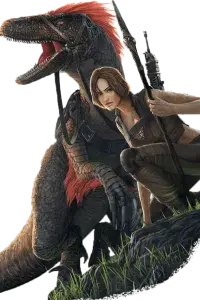
Rust resets everyone once a month. DayZ costs a backpack, but the character rebuilds fast. Original ARK charges hours and days: a lost tame is a canceled weekend plan for the whole tribe, a cracked base is a week of rebuilding gates. Most keys in this catalog are not bought for the aim, they are bought for the warning. The remake on Unreal 5 pulled a chunk of the audience away, which left the original quieter and more stable — and each loss here still weighs about the same as it did in 2020.