HWID Spoofers

Updated

A hardware ID ban doesn't follow your account, it follows your motherboard, your SSD GUID, your MAC adapter and your BIOS UUID. A spoofer substitutes those values at ring-0 before the anticheat reads them, so a fresh account is not tied to the banned machine. Pick the type that fits your anticheat and check its status before you buy.

14builds
14working now
6developers
$2.99price from

What to know
about HWID Spoofer cheats

Your board, disks and adapters are on file

Anticheats record the motherboard serial, drive GUIDs, GPU, RAM data, MAC address and BIOS UUID. After a ban those values are what tie a new account back to the old one.

Vanguard keeps a ban for about 120 days

A Valorant hardware ban usually lasts around 120 days, not forever. A spoofer is what lets a new account play on the same PC before that period ends.

Ricochet reads the kernel

Call of Duty's Ricochet runs a kernel driver, so a spoofer that only edits the registry is not enough there. Each product page says which depth it covers.

EasyAntiCheat and Faceit are not the same check

EAC and Faceit collect different sets of identifiers. We list which anticheats each spoofer is made for, so you don't pay for a tool that ignores yours.

JAVELIN and Denuvo bring HWID bans to new games

Battlefield 6 uses EA JAVELIN and Arc Raiders uses a Denuvo kernel component. Both ban hardware, and the spoofers for them are marked on the page.

Krafton counted 7.8 million permanent bans

By November 2025 PUBG had issued 7.8 million permanent bans. That is the scale of players who now need a clean hardware identity to return.

HWID Spoofer cheats
compared

click a column header to sort
Features Buy
TOP 1TITANX Titan $3.00 Working Excellent
  • HWID SPOOFER
Buy
TOP 2TETRACYCLYNE ARENA BREAKOUT SPOOFER Tetracyclyne $4.00 Working Excellent
  • HWID SPOOFER
  • STREAMPROOF
Buy
TOP 3TETRACYCLYNE EAC-BE SPOOFER Tetracyclyne $4.99 Working Excellent
  • HWID SPOOFER
Buy
UBGG — $23.99 Working Excellent
  • HWID SPOOFER
Buy
MASON SHAYTAN SPOOFER Mason $5.00 Working Excellent
  • HWID SPOOFER
Buy
MASON ARENA BREAKOUT SPOOFER Mason $4.00 Working Excellent
  • HWID SPOOFER
Buy
ARENA BREAKOUT Crooked Arms $4.00 Working Excellent
  • HWID SPOOFER
Buy
PERMANENT — $47.99 Working Excellent
    Buy
    ANCIENT Ancient $4.00 Working Excellent
    • HWID SPOOFER
    Buy
    BC — $22.99 Working Excellent
    • HWID SPOOFER
    Buy
    DELTA FORCE Crooked Arms $4.00 Working Excellent
    • HWID SPOOFER
    Buy
    PUBG SPOOFER Crooked Arms $5.00 Working Excellent
    • HWID SPOOFER
    Buy
    REPORTED — $29.00 Working Excellent
    • HWID SPOOFER
    Buy
    SMG SMG $2.99 Working Excellent
    • HWID SPOOFER
    Buy

    About HWID spoofers

    What a hardware ID ban is

    When an anticheat bans you, it can ban the account, the machine or both. A hardware ban stores a fingerprint of your PC and refuses to launch the game on anything that matches it. You can register a new account, install the game again and still get a message at the main menu, because the match is made on the hardware and not on your login. A spoofer exists for exactly that case: it changes what the PC reports about itself. It does not break the anticheat or edit the game, it only masks HWID values so the machine no longer matches the stored record.

    The typical sequence is simple. You get banned, make a new account, and the game flags it within minutes or on the first match, because the hardware record was waiting. After that a player either changes parts, which is expensive, or masks the values with a spoofer.

    Which games fingerprint your PC

    The list grows every year. Valorant with Vanguard, Call of Duty with Ricochet, Fortnite and many others on EasyAntiCheat, PUBG, Escape from Tarkov, Battlefield 6 with EA JAVELIN, Arc Raiders with Denuvo and Dead by Daylight with BHVR all keep records of the machine. Faceit does the same for its competitive client. In short, any game where a ban should survive a new account probably looks at your hardware. Some of them also keep the record for years, so waiting out a ban on a new account does not always help.

    Temporary or permanent

    A temporary spoofer changes the reported values for one session. You start it before the game, and a reboot returns everything to the real values. It leaves little behind on the disk, but you run it every time. A permanent spoofer writes new values into the registry or firmware variables and they stay after a restart. It is convenient and also harder to undo, so it suits people who are sure they want a lasting change. Neither type fixes a ban on the account itself, only the link between that account and your machine.

    Why kernel level matters

    Modern anticheats don't ask Windows politely. They run their own drivers and query the hardware directly, then compare the answer with what WMI reports. A spoofer working only in user mode will be contradicted by those checks. A kernel driver sits at the same depth as the anticheat, intercepts the queries and returns consistent substitute values. The same depth is what makes a bad spoofer dangerous, which is why we cover safety on this page.

    How to choose

    Start with the anticheat, not the brand. Open the spoofer's page and check that your game and its anticheat are listed, then read the status, which shows whether it works after the latest game and Windows update. Next decide between a session and a permanent change. Finally look at the system requirements: Windows version, Secure Boot, TPM and the CPU vendor all change what a given spoofer can do. If two products fit, take the one with the more recent update date, and read what the page says about reboots and drivers that need to be removed afterward.

    Features and protection
    of HWID Spoofer cheats

    01

    What a spoofer touches

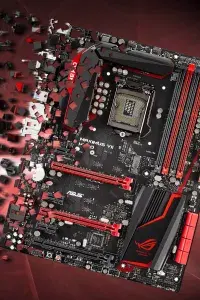
    A spoofer doesn't change one number, it changes a set of keys that anticheats read together. That set includes the SMBIOS tables with board and system serials, EFI variables stored in firmware, the disk GUID and volume serials, the MAC address of each network adapter and the TPM identity where the game asks for it. GPU and RAM identifiers can be masked too. If one of these keeps its real value, the fingerprint can still be matched, so coverage matters more than the number of listed features.

    02

    Spoofer types

    Products here fall into three groups. A temporary spoofer changes values for the current session and lets go on reboot. A permanent spoofer writes the new values so they remain after a restart. A full kernel driver intercepts the hardware queries themselves, including WMI and CIM requests, and answers them with a consistent set of values. Each page names its type, so you know what the tool does to your PC before you run it.

    03

    Supported anticheats

    Spoofers are matched to the system that bans you, not to a single game. The catalog covers Vanguard in Valorant, Ricochet in Call of Duty, EasyAntiCheat, BattlEye, EA JAVELIN in Battlefield 6, Denuvo anticheat in Arc Raiders, BHVR in Dead by Daylight and Faceit. Use the anticheat filter to see only the products that list yours, and look at the status line before anything else.

    04

    Safety

    A spoofer is a program that loads a driver into the kernel, which means it has the same access to your system as Windows itself. A fake one can be malware with full control of the machine. Don't download a spoofer from a video description or a random forum post and don't run an unsigned executable from a stranger. The products here come from developers we work with, and each page shows its status and system requirements before you pay. Keep a restore point, and read the notes about Secure Boot and antivirus exclusions on the product page.

    05

    Session vs permanent

    The choice comes down to how you play. A session spoofer is for someone who launches the game a few times a week and wants everything back to normal after a restart. A permanent one is for someone who plays daily and doesn't want to start a tool every time. Session changes are easier to reverse if something goes wrong, permanent changes save time but ask for more care. If you are unsure, begin with a session tool and move to a permanent one once you know it works with your game.

    06

    Per-anticheat behaviour

    Each anticheat reacts to a spoofer in its own way. Vanguard loads at boot and compares reported values with its own kernel reads, so mismatches show up fast. Ricochet checks at the driver level and expects a consistent set. EasyAntiCheat and BattlEye check different identifiers, and a spoofer built for one may leave gaps on the other. JAVELIN and Denuvo are newer and change often, so their products update more frequently. BHVR and Faceit each have their own quirks, which the product page lists.

    Reviews of HWID Spoofer cheats

    Questions
    about HWID Spoofer

    Didn’t find an answer? Write to support. People answer, not a bot.

    Contact support
    What does a HWID spoofer actually do?

    It replaces the hardware identifiers your PC reports, such as the motherboard serial, disk GUID, MAC address and BIOS UUID, so the anticheat sees a machine it hasn't banned. It doesn't touch the game files.

    Will a spoofer unban my account?

    No. An account ban stays on the account. A spoofer helps when the machine itself is blocked, so a new account can play on the same PC.

    Is a temporary or a permanent spoofer better?

    Temporary is easier to undo and leaves less behind, but you run it each time. Permanent saves effort and is harder to reverse. Pick by how often you play.

    Do I need to do anything before using one?

    Check the system requirements on the product page: Windows version, Secure Boot, TPM and CPU vendor. Create a restore point first and close other overlay software.

    How long does a Valorant hardware ban last?

    Usually about 120 days, though Riot can extend it. After that period you may play again without a spoofer.

    How do I know a spoofer is safe to run?

    Take one from a seller you trust. The ones listed here show their status and requirements, and none should ask you to disable protection without explaining why.