The setup in one picture
You queue on your gaming PC. Next to it a laptop shows a flat map with every hero as a dot, and a tag over each enemy Strategist with the seconds left on their ultimate. The laptop is the cheat. The gaming PC runs the game and nothing else.
How the card works
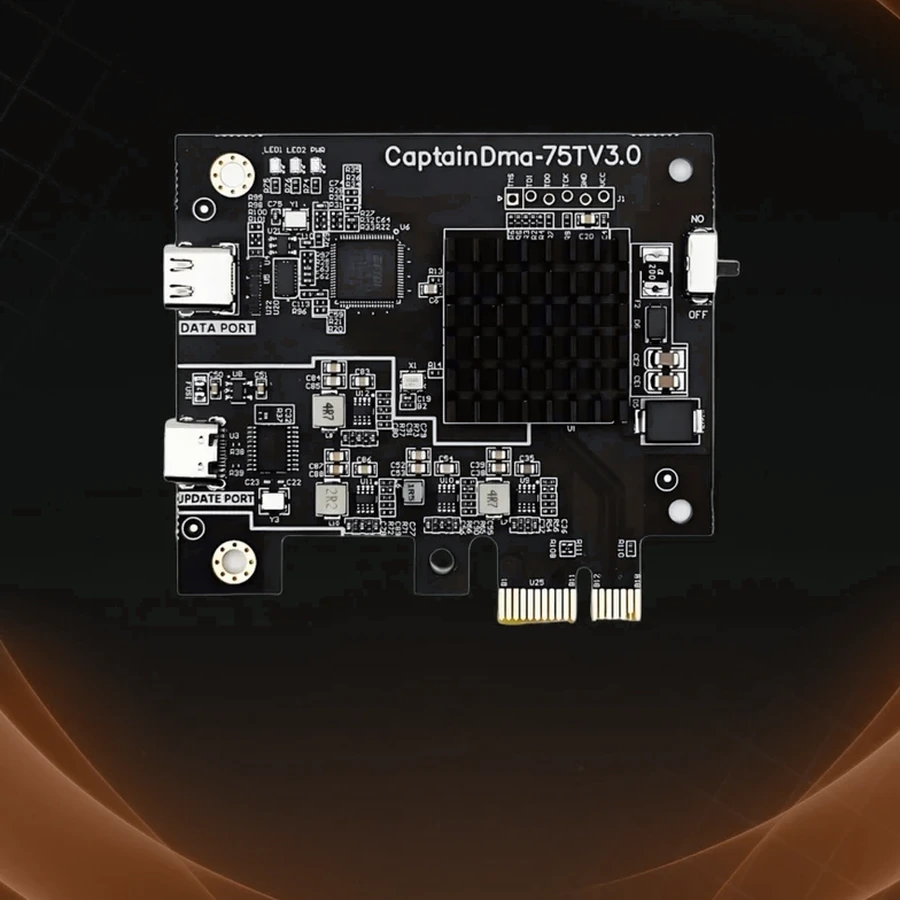
A DMA card sits in a PCIe slot of the game PC and reads memory over the bus, the way a hardware debugger would. No injector, no driver of ours, no overlay process on that machine. The data goes over USB to the second PC, which draws ESP and the radar. That is why NEAC, which inspects what runs on the client, has little to look at.
Why it fits Marvel Rivals
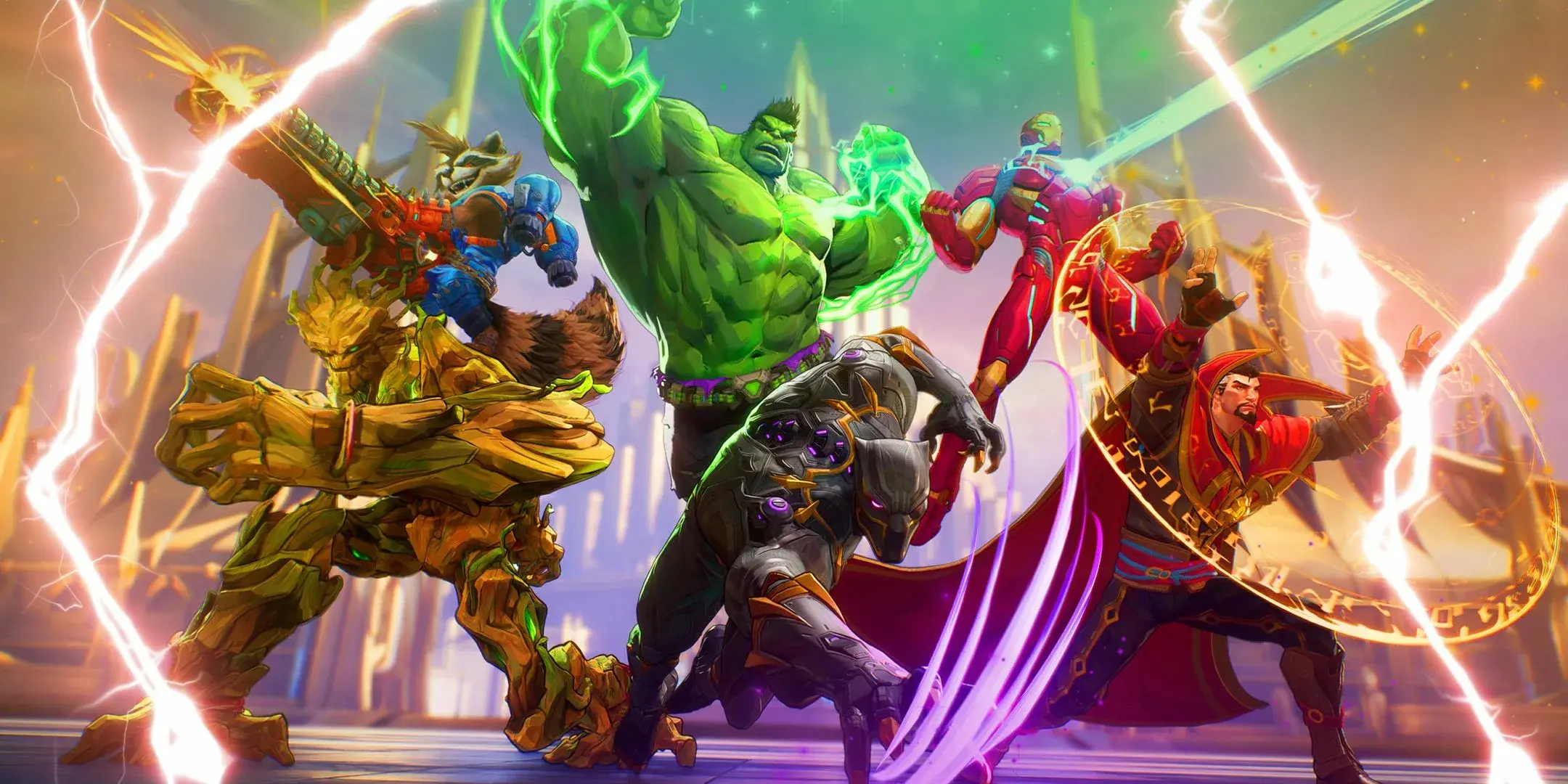
It is a 6v6 hero shooter across Vanguard, Duelist and Strategist roles, and fights are decided by information: where the healer stands, who has the ult. Season 10.5 added Alchemax Headquarters, an 18v18 mode, and Path to Doomsday with Infinity Stones. In a match that crowded, a radar on a second screen is easier to read than anything on the game screen. Maps like Tokyo 2099, Yggsgard, Wakanda, Hell's Heaven and the new Alchemax keep the same logic.
What you need
A DMA card, firmware for it, a second PC, and for aim a KMBOX B+ PRO or NET. We sell the cards and firmware, and the build is MARVEL DIRECT DMA. Everything else on the page tells you how to connect it.
Who it suits
Players who already own a spare laptop and want the cheat off the gaming machine. If you want something to launch in two clicks, a regular build is simpler. DMA costs more setup and gives more distance between you and the anticheat.
A match from the second screen
You load into Tokyo 2099 and glance left. The radar shows two dots drifting toward your backline and the enemy Strategist with a few seconds left on the ult. You call it, swap the push to the other lane and take the point before their team assembles. Nothing about that read touched the game PC. The same habit pays off in Alchemax Headquarters, where eighteen players per side make the screen noisy and a clean overview matters more.
Plan the desk before you buy: a free USB port on each machine, a spot for the laptop where you can see it without turning your head, and a mouse path for the KMBOX if you use aim. The build page lists the exact steps, and the Hardware section marks which cards work with it.